Related video
Overview: 2 Player vs 4 Player Ludo in Malaysia
Selamat datang, fellow Ludo enthusiasts! Ludo, a classic board game that originated in India (Pachisi) and was later simplified and popularized globally, holds a special place in the hearts of many Malaysians. From bustling family gatherings during Hari Raya to quiet evenings with friends, Ludo is more than just a game of chance; it's a test of strategy, patience, and sometimes, a little bit of friendly rivalry. Here in Malaysia, we often find ourselves debating the merits and tactics of playing with two players versus a full four-player setup. Does the dynamic truly change? Absolutely! I've spent countless hours playing Ludo with my family during Hari Raya, strategizing fiercely over teh tarik, and the dynamics shift dramatically whether it's just two of us or a full four-player showdown. This comprehensive guide will delve deep into the nuances of both versions, providing you with expert strategies, statistical insights, and a clear understanding of how to dominate the Ludo board, regardless of the player count.
Whether you're a casual player looking to improve your game or a seasoned veteran aiming for consistent wins, understanding the subtle yet critical differences between 2-player and 4-player Ludo is paramount. The number of opponents directly impacts your risk assessment, blocking opportunities, and even the psychological warfare at play. We'll break down everything you need to know, ensuring you're well-equipped for your next Ludo match, be it a quick duel or a chaotic four-way battle. Let's roll the dice and get started!

Rules & Setup: Mastering the Ludo Board
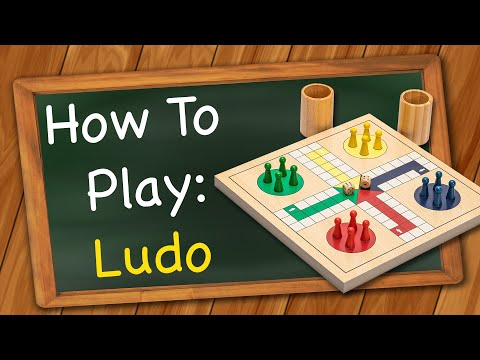
Before diving into advanced strategies, a solid understanding of the fundamental Ludo rules is essential. While most of us have played Ludo since childhood, a quick refresher ensures everyone is on the same page. Ludo is played on a cross-shaped board, with four colored home areas (usually red, blue, green, yellow) and a corresponding home column leading to a central finish area. Each player has four tokens of their chosen color and one die.
Basic Ludo Rules:
- Getting Started: To move a token from its starting area onto the main track, a player must roll a 6. Rolling a 6 also grants an extra roll. If a player rolls three consecutive 6s, they lose their turn and any tokens moved.
- Moving Tokens: Once a token is on the track, it moves clockwise according to the number rolled on the die. All tokens move from their start position, around the board, and up their respective home column to the center.
- Capturing Opponents: If your token lands on a square occupied by an opponent's token, the opponent's token is 'captured' and sent back to its starting area. The player who captured the token gets an extra roll.
- Safe Squares: Certain squares are marked as 'safe' (usually star-marked or colored start positions). Tokens on these squares cannot be captured. Your own home base entry point is also a safe square for your tokens.
- Home Column & Finish: Once a token completes a full circuit of the board, it enters its colored home column. Tokens can only move up this column. To enter the central finish area, a token must be moved by an exact roll.
- Winning the Game: The first player to move all four of their tokens into the central finish area wins.
Setup Differences: 2 Player vs 4 Player
The core rules remain consistent, but the setup and implications vary significantly with player count:
- 2-Player Ludo: Typically, each player chooses two contrasting colors (e.g., Red and Green, Blue and Yellow) and plays with all eight tokens (four of each color). This means a player manages two sets of tokens simultaneously, effectively doubling their board presence and strategic options. Alternatively, some house rules dictate each player only uses one color, leading to a faster, more direct game. For this guide, we'll assume the more common two-color per player setup for 2-player Ludo, as it offers richer strategic depth.
- 4-Player Ludo: Each of the four players chooses one distinct color (Red, Blue, Green, Yellow) and plays with their four tokens. This is the classic Ludo experience, with all four starting areas occupied and a full board of competing tokens.
Understanding these setup differences is crucial, as they lay the groundwork for the distinct strategic approaches required for each game type.
Strategy Guide: Dominating 2-Player and 4-Player Ludo
While Ludo involves dice rolls, pure luck won't win you games consistently. Smart strategic choices, especially when adapting to the number of players, are what separate the champions from the casuals. Let's break down the best tactics for both scenarios.
2-Player Ludo Strategy: Aggression and Efficiency
In a 2-player game, the board feels less crowded, but the confrontation is much more direct. You only have one opponent, meaning every move you make directly impacts them, and vice-versa. Here's how to excel:
- Early Token Rush: With fewer players, getting multiple tokens out onto the board early is paramount. A single token can easily be targeted and sent back. Aim to have at least two tokens out as quickly as possible.
- Aggressive Capturing: Don't hesitate to capture! In a 2-player game, sending your opponent's token back is a huge setback for them and a free extra roll for you. Look for opportunities to land on their tokens, especially if they have few tokens out.
- Blocking Tactics: Create roadblocks for your opponent. If you have two tokens close together, or one on a safe spot just ahead of your opponent, use it to block their path. This forces them to either wait for a specific roll or take a longer route, buying you time.
- Prioritize Home Runs: Once tokens are past the halfway point, start thinking about getting them home. With only one opponent, the risk of being captured late in the game is still high. Get those tokens into their home column swiftly.
- Manage Your Two Colors (if applicable): If you're playing with two colors, treat them as a unified force. Use one color to block or attack, while the other makes a run for home. Don't let one color fall too far behind.
4-Player Ludo Strategy: Tactical Nuance and Observation
The 4-player game is a different beast entirely. The board is crowded, alliances (even unspoken ones) can form, and you have to contend with three opponents. This requires a more nuanced and observational approach.
- Spread Your Tokens: Unlike 2-player, avoid clumping your tokens together, especially in dangerous areas. One bad roll could lead to multiple captures. Try to have tokens at different stages of the journey.
- Observe All Opponents: Pay attention to everyone's tokens. Who is close to home? Who just got a token out? Who is positioned to capture you? This helps you anticipate threats and opportunities.
- Calculated Risks: While capturing is still good, don't over-commit if it leaves your own tokens vulnerable to two or three other players. Sometimes, letting an opponent pass is safer than making a risky capture that exposes you.
- Temporary Alliances: This isn't official, but often, players will implicitly target the leader or the player who just captured someone. Use this to your advantage. If two players are close to capturing each other, stay out of the way and let them battle it out.
- Timing Your Home Run: Getting tokens into the home column requires precise timing. With more players, there are more chances for someone to roll a 6 and capture you just before you enter safety. Don't rush into the home column if it means sitting on an exposed square for too many turns.
- Utilize Safe Squares Wisely: Safe squares are your best friends in a 4-player game. Use them to shelter vulnerable tokens, especially when multiple opponents are nearby.
Regardless of player count, remember that Ludo is a marathon, not a sprint. Patience, adaptability, and a keen eye for opportunities will serve you well. I often find myself adjusting my strategy on the fly based on who's leading and who's struggling, especially when playing with my cousins in Johor Bahru; sometimes, an unexpected alliance forms against the person who keeps getting all the sixes!
Odds & Statistics: The Math Behind Your Ludo Moves
While Ludo involves a significant element of luck from dice rolls, understanding the probabilities can inform your strategic decisions and give you an edge. Knowing the likelihood of certain outcomes can help you assess risk and make more informed moves. The game uses a single standard six-sided die.
Key Probabilities for a Single Die Roll:
| Outcome | Probability | Percentage | Strategic Implication |
|---|---|---|---|
| Rolling a 1 | 1/6 | 16.67% | Smallest move, often used for precise home entries. |
| Rolling a 2 | 1/6 | 16.67% | Moderate move, useful for advancing safely. |
| Rolling a 3 | 1/6 | 16.67% | Standard move, can position for attacks or retreats. |
| Rolling a 4 | 1/6 | 16.67% | Good for advancing quickly, but can overshoot home. |
| Rolling a 5 | 1/6 | 16.67% | Positions for a potential 1-roll home entry, or attacks. |
| Rolling a 6 | 1/6 | 16.67% | Critical roll; gets tokens out, grants extra turn, crucial for captures. |
| Any Specific Number | 1/6 | 16.67% | Each face has an equal chance of appearing. |
(Source: Academic Probability Studies on Game Theory)
Strategic Implications of Probabilities:
- The Power of Six: The 1/6 chance of rolling a 6 is fundamental. It's your only way to get tokens out of base and grants an extra turn, which can be game-changing. Always factor in the possibility of an opponent rolling a 6, especially when your tokens are vulnerable near their starting points.
- Home Entry Precision: As tokens approach the home triangle, exact rolls are needed. This means a token might sit on a spot for several turns waiting for a specific number. The longer it waits, the higher the risk of being captured by an opponent who might roll a 6 and get a token out.
- Risk Assessment: When deciding whether to move a token to a dangerous square or keep it on a safe one, consider the probabilities. Is the potential reward (e.g., capturing an opponent, getting closer to home) worth the 16.67% chance of an opponent rolling a specific number to capture you? In 4-player games, this risk is amplified by having three potential threats.
- Multiple Tokens Out: Having multiple tokens on the board increases your chances of making a productive move with any roll. If one token is stuck waiting for a 6, another might be able to move forward with a 3 or 4. This reduces reliance on a single lucky roll.
While you can't control the dice, you can control how you react to the probabilities. A seasoned Ludo player understands these odds intuitively, making moves that maximize their chances of success while minimizing exposure to risk, crucial whether you're playing a tense 2-player match or a lively 4-player affair in Kuala Lumpur.
How to Play Ludo: A Step-by-Step Guide for Beginners
For those new to Ludo or needing a refresher, here's a simple, step-by-step guide to get your game started and flowing smoothly. These instructions apply to both 2-player and 4-player games, with minor adjustments for token management.
Step-by-Step Gameplay:
- Setup the Board: Place the Ludo board on a flat surface. Each player chooses a color (Red, Blue, Green, or Yellow) and takes their four corresponding tokens. In a 2-player game, each player typically manages two colors (8 tokens total), or one color each for a quicker match. In a 4-player game, each player takes one color. Place all your tokens in your home base (the large colored area).
- Determine First Player: Each player rolls the die once. The player with the highest roll goes first. Play then proceeds clockwise.
- Getting Tokens Out of Base: On your turn, roll the die. To move a token from your home base onto the main track (the colored starting square), you MUST roll a 6. If you roll a 6, you place one token on its starting square and get an additional roll. If you roll a 6 again, you can move the same token, move another token out, or move a different token already on the track, and you get another extra roll. If you roll a third consecutive 6, you lose your turn, and any moves made with the first two 6s stand.
- Moving Tokens on the Track: Once a token is on the track, move it clockwise according to the number rolled on the die. You can choose which of your active tokens to move.
- Capturing Opponents: If your token lands on a square occupied by an opponent's token, the opponent's token is captured and returned to their home base. You get an extra roll. Be mindful of safe squares (marked with a star or specific color), where tokens cannot be captured.
- Entering the Home Column: After a token completes one full circuit of the board, it enters its designated colored home column. Tokens can only move forward up this column.
- Reaching the Home Triangle: To move a token into the central home triangle, you must roll the exact number of steps required. For example, if a token is 3 steps away from home, you must roll a 3. If you roll a higher number, you cannot move that token and must use another token or pass your turn if no other valid moves are available.
- Winning the Game: The first player to successfully move all four of their tokens into the central home triangle wins the game. The game can continue for second, third, and fourth places if players wish.
Practice makes perfect! Don't be afraid to experiment with different token movements and strategies. Soon, you'll be navigating the Ludo board like a true expert, whether you're playing a quick round during lunch or a long session with friends in Penang.
Expert Verdict: The Strategic Showdown
As a Lead Strategy Analyst and a lifelong Ludo player, my expert verdict on the 2-player versus 4-player Ludo debate is clear: both versions offer distinct strategic challenges and rewards, catering to different player preferences and situations. Neither is inherently 'better' than the other; rather, they offer varied experiences that demand different approaches from players.
2-Player Ludo: The Intense Duel
For those who crave direct competition and faster, more aggressive gameplay, 2-player Ludo is the superior choice. The reduced player count means every move has a magnified impact. You are constantly engaged with your single opponent, leading to more direct attacks, blocking maneuvers, and a heightened sense of rivalry. It's a game of efficiency, quick decision-making, and often, brutal captures. If you enjoy head-to-head battles where you can clearly see and react to your opponent's every move, this is your arena. It's excellent for developing sharp offensive and defensive tactics.
4-Player Ludo: The Tactical Arena
Conversely, 4-player Ludo shines as a more social, unpredictable, and tactically complex experience. With three opponents, the board becomes a dynamic ecosystem where observation, patience, and indirect strategy are key. The potential for temporary alliances, the need to manage multiple threats, and the sheer chaos of a crowded board make for a rich, engaging game. It's less about direct confrontation and more about navigating a complex web of interactions, knowing when to strike, when to retreat, and when to let your opponents weaken each other. This version is fantastic for group play, fostering social interaction, and honing your ability to adapt to a constantly changing game state.
Final Recommendation:
My recommendation for Malaysian players is to embrace both. For quick, competitive, and focused matches, opt for 2-player Ludo. It's perfect for a short break or a quick challenge. For longer, more social, and strategically layered sessions with family and friends, especially during festive seasons or weekend hangouts, 4-player Ludo is the undisputed champion. The joy of Ludo, whether you're playing in a quiet home in Subang Jaya or a bustling mamak stall, lies in its adaptability and its ability to bring people together. Understanding the strategic nuances outlined in this guide will undoubtedly elevate your game and ensure you're always a formidable opponent, regardless of how many players are at the board. So, roll the dice wisely, and may your tokens always find their way home!