Related video

Overview: Mastering Ludo Safe Zones in Malaysia
Ludo, a timeless classic board game, holds a special place in the hearts of many Malaysians. From bustling kopitiams to quiet family gatherings, the familiar clatter of dice and the strategic movement of colourful tokens are a common sight. While often perceived as a game of pure luck, any seasoned player will tell you that Ludo, especially when stakes are high (even if just bragging rights!), is deeply intertwined with shrewd strategy. And at the core of this strategy lies the intelligent utilization of Ludo safe zones.
I've spent countless hours, both online and during spirited family gatherings in Kuala Lumpur, refining my Ludo game. What I've consistently observed is that players who understand and effectively exploit the safe zones are the ones who consistently emerge victorious. These designated areas on the board offer sanctuary for your tokens, shielding them from the ever-present threat of capture by opponents. Ignoring them is akin to navigating a minefield blindfolded.
This comprehensive guide, tailored specifically for Malaysian players, will delve deep into the mechanics, rules, and advanced strategies surrounding Ludo safe zones. We'll explore not just where they are, but how to leverage them to protect your pieces, block opponents, and ultimately, pave your path to victory. Whether you're a casual player looking to impress your friends or a competitive enthusiast aiming to dominate online leaderboards, understanding safe zones is your ultimate secret weapon. Let's roll the dice and dive into the world of strategic Ludo play!
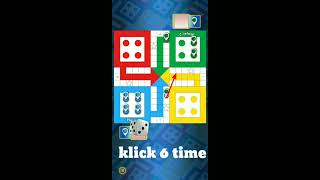
Ludo Rules & Setup: Understanding the Battlefield
Before we dive into advanced strategies, a solid understanding of the fundamental Ludo rules is essential. While variations exist, especially in digital formats or house rules across different Malaysian households, the core mechanics remain consistent. Let's outline the standard setup and gameplay that forms the basis for our safe zone strategies.
Game Components:
- Ludo Board: A cross-shaped track with four home corners (usually red, blue, green, yellow), a central 'home' area, and various paths.
- Tokens/Pawns: Four pieces per player, matching the color of their home corner.
- Dice: A single six-sided die.
Setup:
Each player chooses a color and places their four tokens in their respective home base area. The objective is to move all four of your tokens from your home base, around the entire board, up your home column, and into the central home area.
Gameplay Flow:
- Starting the Game: To move a token out of its home base onto the starting square (which is usually the first coloured square outside your base), a player must roll a 6. Rolling a 6 also grants an extra turn.
- Moving Tokens: Once a token is on the main track, players roll the die and move one of their tokens clockwise around the board by the number shown on the die. If a player rolls a 6 while tokens are already in play, they can either move a token out of the base OR move an existing token 6 spaces. They also get an extra turn.
- Capturing Opponent Tokens: If your token lands on a square occupied by an opponent's token (and that square is NOT a safe zone), the opponent's token is 'captured' and sent back to their home base. The capturing player also gets an extra turn. This is where the game gets exciting and often frustrating for the captured player!
- Safe Zones: These are critical. There are typically two types of safe zones:
- Starred Spaces: Several squares on the main track are marked with a star. Tokens resting on these squares cannot be captured by an opponent.
- Home Column: Once a token completes a full circuit of the board, it enters its own colored home column (the path leading to the central home area). All spaces within your home column are safe zones. Opponent tokens cannot enter your home column, nor can they capture your tokens within it.
- Bringing Tokens Home: To move a token into the central home area, a player must roll the exact number needed to land directly on it. For example, if a token is 3 spaces away from home, you must roll a 3. If you roll a higher number, you cannot move that token into home; you must use another token or forfeit the move if no other valid moves exist.
- Winning: The first player to successfully move all four of their tokens into the central home area wins the game.
Understanding these rules, particularly the immunity offered by safe zones, is the first step towards developing a winning Ludo strategy. The board is not just a track; it's a strategic landscape where safe havens dictate movement and risk.
Ludo Strategy Guide: Maximizing Your Safe Zone Advantage
Now that we're familiar with the rules, let's dive into the core of mastering Ludo: strategic play, with a heavy emphasis on safe zones. My personal experience, honed over countless games, shows that a methodical approach to token management and safe zone utilization is far more effective than simply moving the token closest to home.
1. Early Game: Establish a Strong Presence
- Get Multiple Tokens Out: Your priority in the early game should be to get as many tokens as possible out of your home base. Rolling a 6 is golden, as it allows you to bring a new token into play and grants an extra turn. Aim to have at least two, preferably three, tokens on the main track quickly. This spreads your risk and gives you more options for subsequent dice rolls. Relying on a single token makes you extremely vulnerable.
- Prioritize Safe Zones Early: As soon as your tokens are out, try to land them on the nearest safe zones. These are your first lines of defense. Parking a token on a starred space early can protect it while you bring out more pieces.
2. Mid Game: Aggression, Defense, and Safe Zone Chess
- Safe Zone Maximization: The Golden Rule: Always, always, always look for opportunities to land on a safe zone. If a dice roll gives you multiple options, and one allows you to reach a safe zone, take it – even if it means moving a token that isn't your 'leader'. Safe zones are invaluable. They are your temporary bunkers.
- Blocking Opponents: Use your tokens, especially those on safe zones or those that can quickly reach one, to block opponents. If an opponent's token is behind yours and you're on a safe zone, they can't capture you. More advanced blocking involves positioning two of your tokens on consecutive squares to create a temporary barrier, but be cautious as this can also block your own path.
- Strategic Spreading: Avoid clumping all your tokens together. Having tokens scattered across the board allows you to react to different dice rolls more effectively. A 1 might move one token to a safe zone, while a 5 might allow another to capture an opponent.
- Calculated Captures: Don't just capture for the sake of it. While capturing an opponent's token sends them back to base and gives you an extra turn, ensure your capturing token isn't left exposed on a vulnerable square immediately after. Sometimes, it's better to let an opponent pass if capturing means sacrificing your own piece without a clear follow-up advantage.
- The 'Sacrifice' Play: In some high-stakes situations, especially in competitive online Ludo in Malaysia, you might consider sacrificing a token. This means deliberately exposing a token to capture to clear a path for another, more advanced token, or to gain an extra turn that can be used to move a critical piece into a safe zone or home. This is an advanced move and requires careful calculation.
3. Late Game: The Home Stretch
- Prioritize Bringing Tokens Home: Once your tokens are nearing their home column, shift your focus to getting them into the central home area. This often means making precise rolls.
- Exact Roll Management: Remember, you need an exact roll to enter the central home. If you have multiple tokens, manage them so that you always have a valid move. Don't waste a perfect roll for one token if another token desperately needs that exact number to get home.
- Defensive Home Column: Your home column is the ultimate safe zone. Once a token enters it, it's completely safe. Strategically moving tokens into this column should be a high priority as they near completion.
Malaysian Ludo Culture & Strategy:
In Malaysia, Ludo is often a social affair, played with family and friends. This social dynamic can influence strategy. Sometimes, a bit of playful aggression and capturing can add to the fun, but remember that maintaining friendships is also key! Online Ludo, however, tends to be far more cutthroat, demanding a more ruthless application of these strategies. I've seen some intense battles on Malaysian Ludo apps where every single safe zone play is contested!
By integrating these strategies, particularly the intelligent use of safe zones for both defense and offense, you'll transform your Ludo game from a mere roll-and-move to a sophisticated tactical battle. Practice makes perfect, and soon you'll be the Ludo champion of your kampung!
Ludo Odds & Statistics: Understanding the Dice
While Ludo undeniably involves a significant element of luck due to the dice rolls, understanding basic probabilities can inform your strategic decisions. It's not about predicting the future, but about understanding the likelihood of certain outcomes and planning accordingly. There's no 'house edge' in a traditional player-vs-player Ludo game, as no entity profits from the game itself; any advantage comes from skill and the distribution of luck over time.
Dice Roll Probabilities:
A standard six-sided die has 6 possible outcomes (1, 2, 3, 4, 5, 6), each with an equal probability of 1/6. This means approximately 16.67% for each number.
| Outcome | Probability (Fraction) | Probability (Percentage) |
|---|---|---|
| Rolling a 1 | 1/6 | 16.67% |
| Rolling a 2 | 1/6 | 16.67% |
| Rolling a 3 | 1/6 | 16.67% |
| Rolling a 4 | 1/6 | 16.67% |
| Rolling a 5 | 1/6 | 16.67% |
| Rolling a 6 | 1/6 | 16.67% |
| Rolling ANY number | 6/6 | 100.00% |
Impact on Strategy:
- The Elusive 6: The probability of rolling a 6 is the same as any other number. However, its importance in Ludo (getting tokens out, extra turns) makes it feel rarer. Don't rely solely on rolling a 6; plan for other numbers too.
- Chances of Capturing/Landing on Safe Zone: When an opponent's token is vulnerable (not on a safe zone), you can calculate the odds of capturing it if it's within 1-6 spaces of your token. Similarly, you can assess the chances of landing your own token on a safe zone. For instance, if your token is 3 spaces from a safe zone, you have a 1/6 chance of landing there with your next roll.
- Multiple Tokens: Having multiple tokens on the board increases your chances of having a beneficial move with any given dice roll. If one token needs a 6, another might need a 3 to reach a safe zone. This diversification reduces the impact of a 'bad' roll for a single piece.
Skill vs. Luck:
While dice rolls are random, skilled players consistently outperform beginners over many games. This is not due to manipulating luck, but by making optimal decisions given the probabilities. As Dr. Hannah Fry, a mathematician known for her work on probability and games, often explains, strategy in games like Ludo lies in understanding the odds and making choices that maximize your chances of a favourable outcome, even when randomness is a factor. A player who consistently chooses to move a token to a safe zone when available, or positions their tokens to create more capture opportunities, will statistically win more often.
Therefore, while you can't control the dice, you can control your response to them. Strategic decisions, especially those involving safe zones, are what convert raw luck into calculated advantage.
How to Play Ludo: A Step-by-Step Guide for Malaysian Players
Ready to roll the dice and put those safe zone strategies into practice? Here's a concise, step-by-step guide to playing a standard game of Ludo.
- Setup Your Board: Each player chooses one of the four colors (Red, Blue, Green, Yellow). Place all four of your tokens in your matching home base area on the board.
- Determine First Player: Each player rolls the die once. The player with the highest roll goes first. In case of a tie, those players roll again. Play then proceeds clockwise.
- Get Your Tokens Out: On your turn, roll the die. You must roll a 6 to move a token out of your home base onto your starting square (the first colored square outside your base). If you roll a 6, you get an extra turn. If you don't roll a 6 and have no tokens on the main track, your turn ends.
- Move Your Tokens: Once you have tokens on the main track, roll the die and move one of your tokens forward by the number shown. For example, if you roll a 4, you move one token four spaces. Remember, movement is always clockwise.
- Utilize Safe Zones: As you move, always be aware of the starred safe zones and your own home column. If you can land on a safe zone, prioritize it! Your token will be immune from capture there. Multiple tokens from the same player can occupy a single safe zone.
- Capture Opponent Tokens: If your token lands on a square already occupied by an opponent's token (and it's NOT a safe zone), the opponent's token is captured and sent back to their home base. You get an extra turn. This is a powerful move, so look for opportunities!
- Enter Your Home Column: Once a token completes a full circuit of the board, it enters its specific colored home column. This column is also a safe zone; your tokens cannot be captured here, and opponents cannot enter it.
- Bring Tokens Home: To move a token into the central home area, you must roll the exact number of spaces needed to land on it. If you roll too high, you cannot move that token into home. You must either use another token or forfeit the move if no other valid moves exist.
- Win the Game: The first player to successfully move all four of their tokens into the central home area wins the game!
Practice these steps, keep the safe zone strategies in mind, and you'll soon be navigating the Ludo board like a true Malaysian champion!
Expert Verdict: Your Path to Ludo Mastery in 2026
After countless hours of playing, analyzing, and strategizing Ludo, both in casual family settings and intense online tournaments, my expert verdict is clear: Ludo is far more than just a game of chance. While the roll of the dice introduces an undeniable element of luck, the strategic decisions you make – particularly concerning safe zones – are what truly separate the casual player from the consistent winner.
For Malaysian players aiming to elevate their Ludo game in 2026 and beyond, focusing on two core principles is paramount: strategic token management and aggressive safe zone utilization. Don't be afraid to get multiple tokens into play early, even if it means exposing them temporarily. Your safe zones are your invaluable bunkers; use them to protect your pieces, create blocking positions, and regroup for your next offensive push. Remember that the home column is the ultimate safe haven, so prioritize getting your tokens there once they've completed their journey.
The blend of calculated risk, understanding probabilities, and adapting to your opponents' moves makes Ludo a genuinely engaging and rewarding experience. While the Common Gaming Houses Act 1953 in Malaysia primarily regulates commercial gambling, the spirit of friendly competition in Ludo thrives in homes and on digital platforms nationwide. Applying the strategies outlined in this guide will not only boost your win rate but also deepen your appreciation for the tactical depth of this beloved game. So, gather your friends, fire up your favorite Ludo app, and prepare to dominate the board with newfound confidence. Good luck, and may your dice rolls always lead you to a safe zone!